01
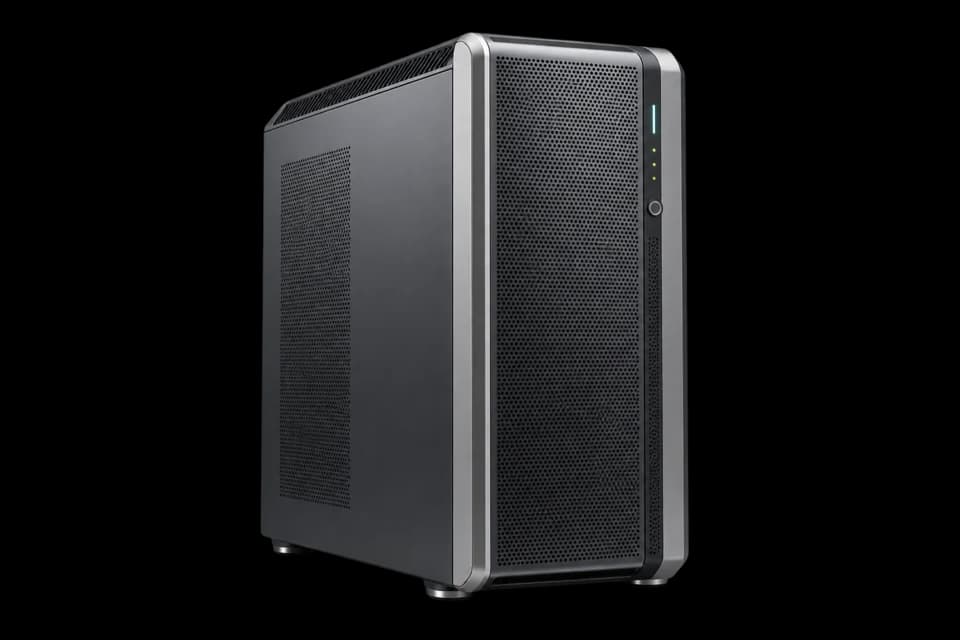
CPU-first
A quiet foundation
A high-memory CPU host can handle compact models, background jobs, and low-volume work. It is a thoughtful way to keep simple workloads local.

Unicorn Garden
Private AI systems
Private AI / compute notes
Start with the work. Explore the kinds of machines that can support it. The right answer depends on your models, your people, and how you want the system to feel in daily use. Read the local AI primer →
Explore your needsThree useful directions. No one-size-fits-all spec.
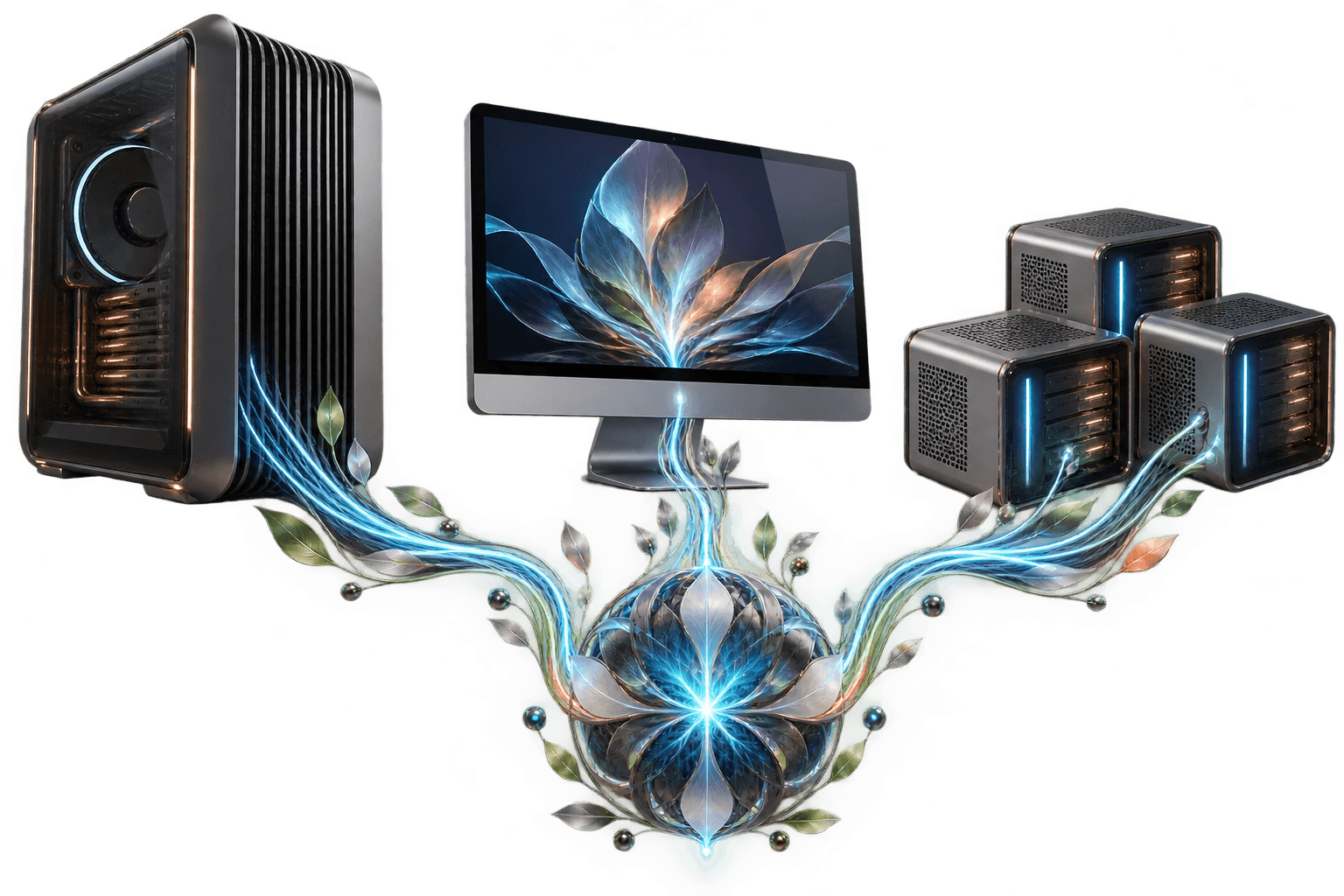
The compute landscape
Think in memory, speed, and shared use. Brand and model names come later.
A quiet foundation
A high-memory CPU host can handle compact models, background jobs, and low-volume work. It is a thoughtful way to keep simple workloads local.
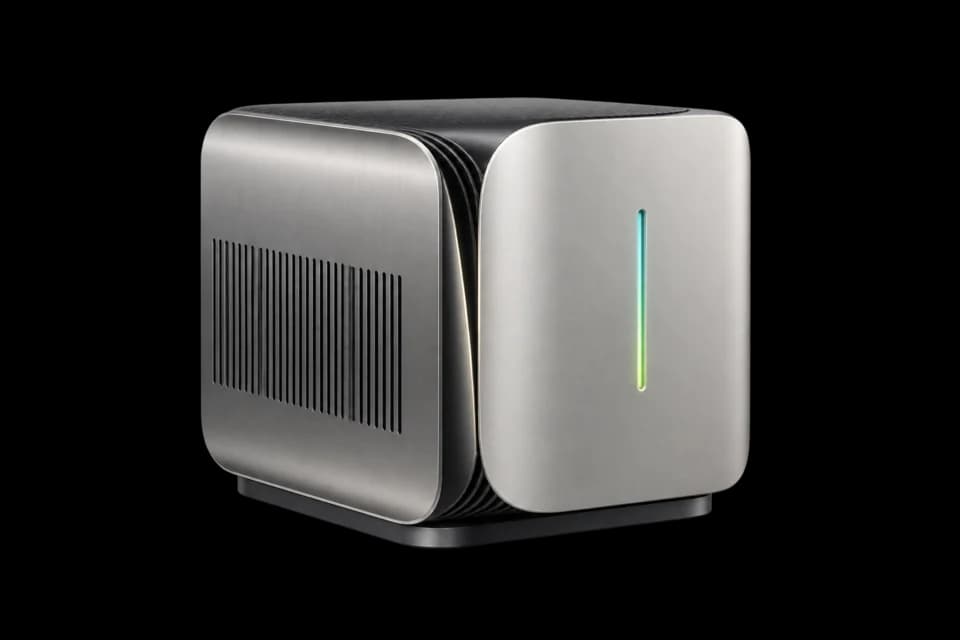
One large shared pool
CPU and GPU draw from the same memory. This compact path can fit larger models than a typical single graphics card, with platform-specific speed and upgrade trade-offs.
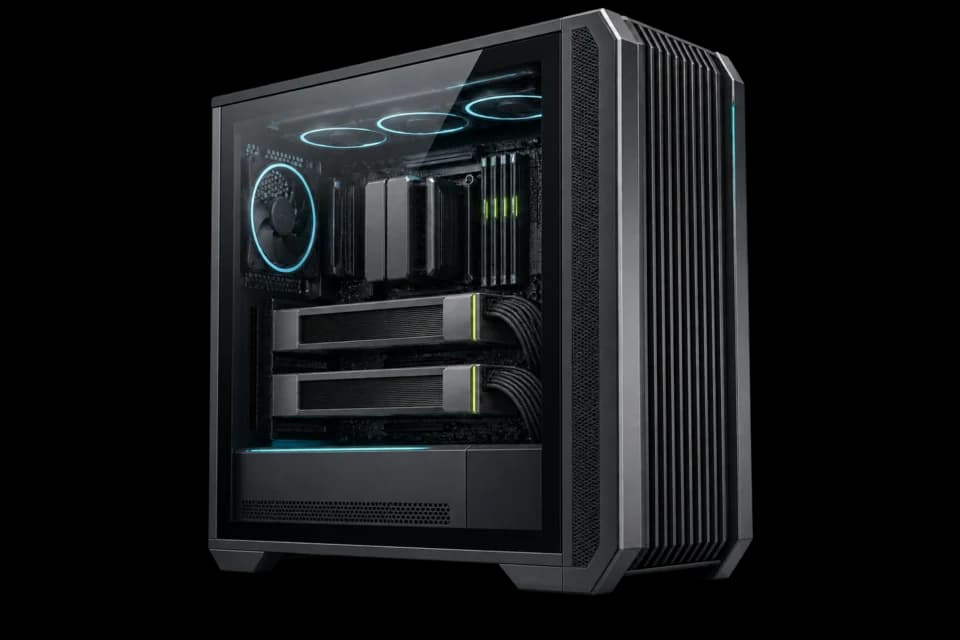
Speed with room to scale
Dedicated GPU memory helps interactive and concurrent workloads. A workstation can grow into a shared server or a cluster as demand becomes clearer.
Make the shape yours
Tell us how it will work and who it will serve. We’ll show a few architectures worth comparing.
A quick needs scan
Four choices reveal a few plausible directions.
Choose an answer in each row to reveal possible system shapes.
The useful nuance
Model weights, context, and concurrent sessions all need room. Memory capacity helps set what can fit; memory bandwidth helps set how it feels.
One user waiting for a response is different from a team sending requests together. Peak concurrency can change the architecture.
Storage, cooling, noise, networking, access control, and maintenance all affect whether a setup works well in your environment.
Ready to turn possibilities into a real spec?
Talk through your workload